Plant Lab

Botany for thriving hair

A field guide to the plants behind the recipes. Real actives, real science, plain language.

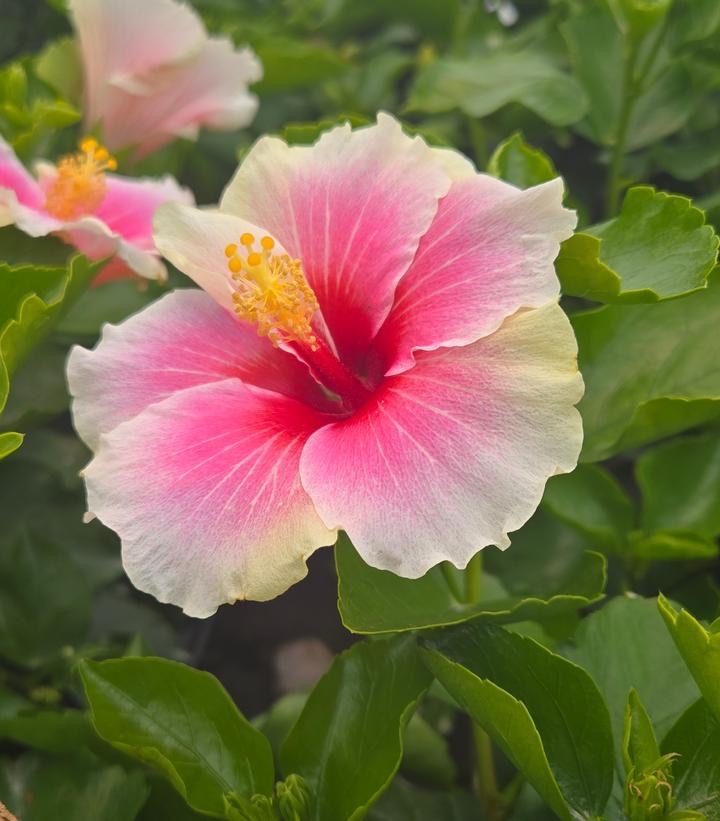
Hibiscus

Hibiscus

Hibiscus rosa-sinensis

Mucilage (slip)Vitamin CAnthocyaninsAmino acids

The leaves and petals release a natural mucilage that detangles and adds shine. Anthocyanins and vitamin C support scalp health and shine; traditional Ayurvedic blends use hibiscus to strengthen strands and reduce breakage.

Quick DIY

Simmer 5 fresh petals + 3 leaves in 1 cup water for 10 min, cool, strain, and use as a leave-in mist.
Ginger

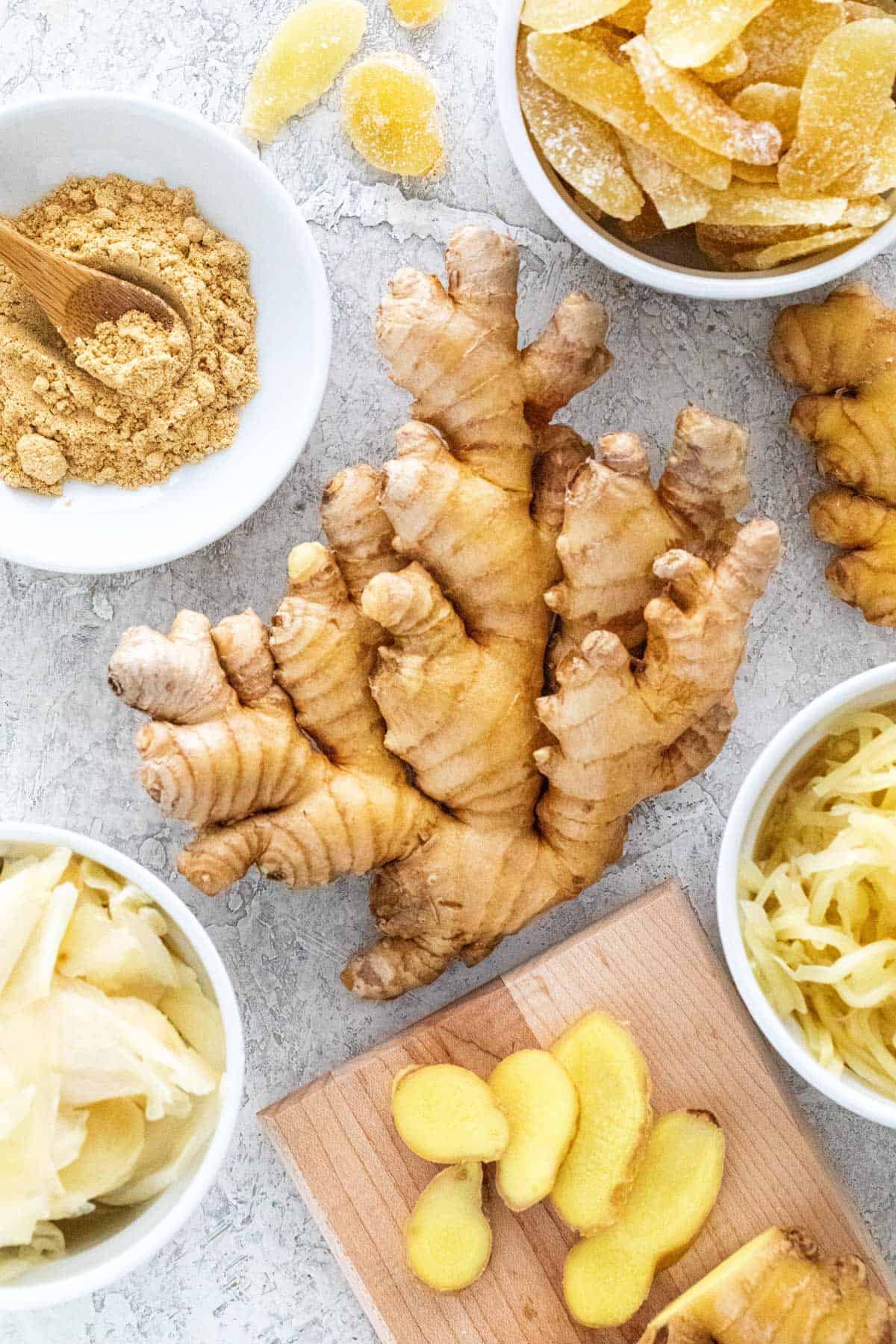
Ginger

Zingiber officinale

GingerolShogaolVolatile oils

Gingerol stimulates micro-circulation in the scalp, supporting follicle health. Studies show ginger extracts can soothe an irritated, flaky scalp and complement growth-focused routines.

Quick DIY

Grate 1 tbsp fresh ginger into 2 tbsp warm jojoba oil, infuse 30 min, strain, and massage into scalp once a week.

Olive

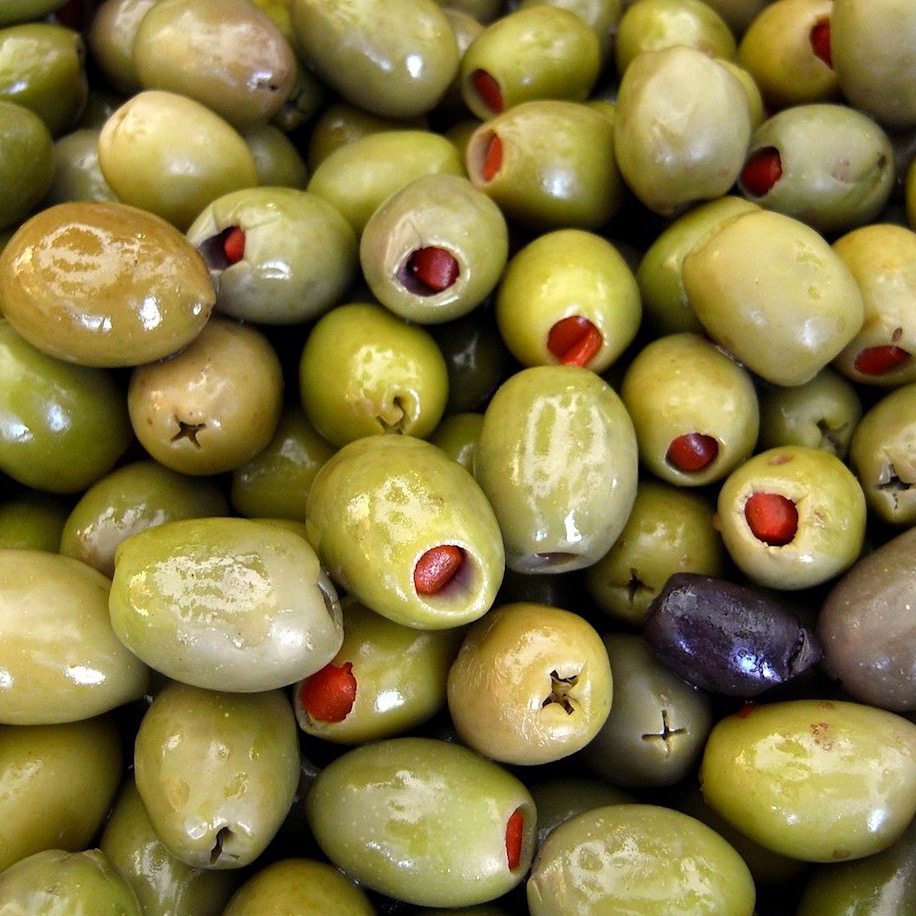
Olive

Olea europaea

Oleic acidSqualeneVitamin E

Olive oil's oleic acid helps seal moisture, while squalene mimics the scalp's natural sebum. It's a classic LOC-method sealant and a deep-conditioning base for kinky/coily textures.

Quick DIY

Warm 2 tbsp olive oil + 1 tsp honey, apply to damp hair as a 30-min pre-poo, then shampoo gently.

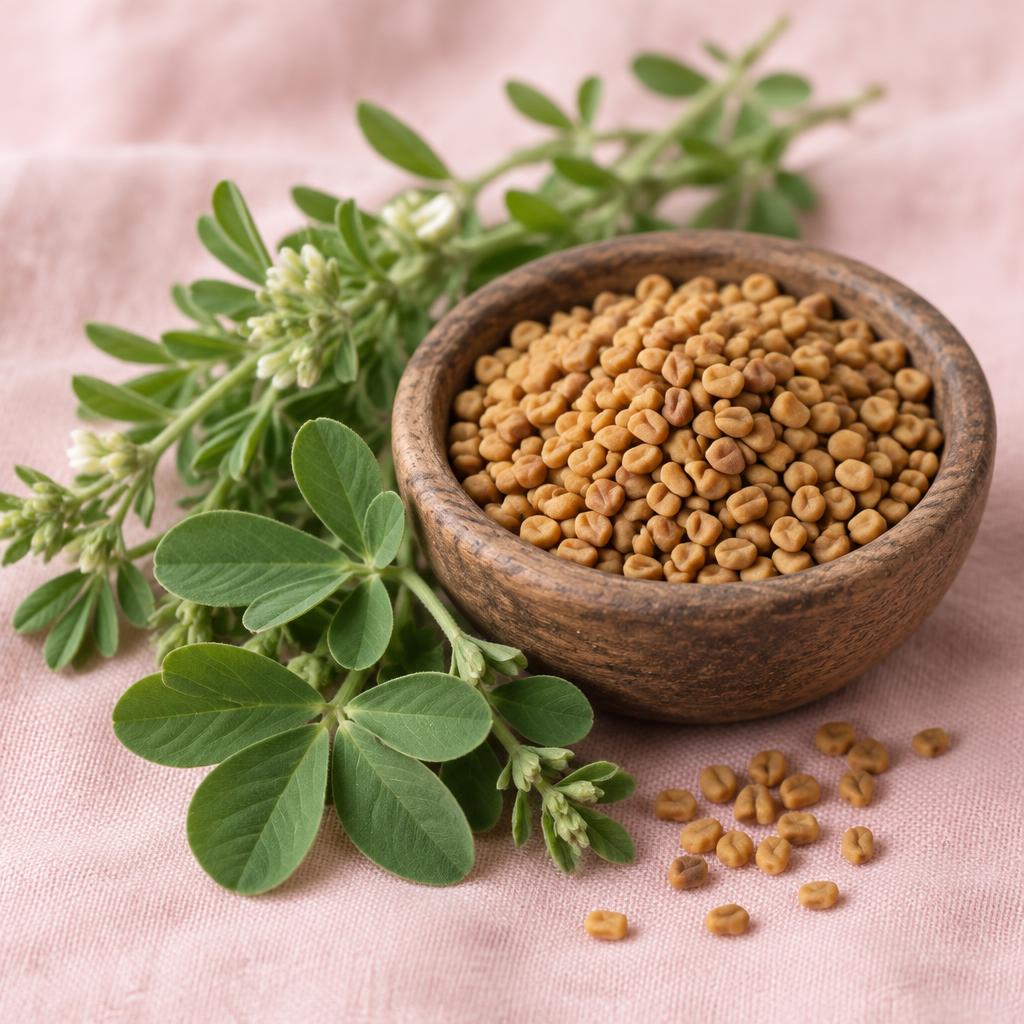
Fenugreek

Fenugreek

Trigonella foenum-graecum

Protein & amino acidsMucilageSaponinsIron

Fenugreek seeds are packed with protein and the same slippery mucilage that gives hibiscus its slip. Soaked-seed gel coats the strand and smooths the cuticle so combing pulls less, while gentle saponins help cleanse the scalp. A staple of South Asian hair care — and one of the oils in my blend.

Quick DIY

Soak 2 tbsp seeds in water overnight, blend and strain into a gel, then coat clean damp hair for 20–30 min before rinsing.

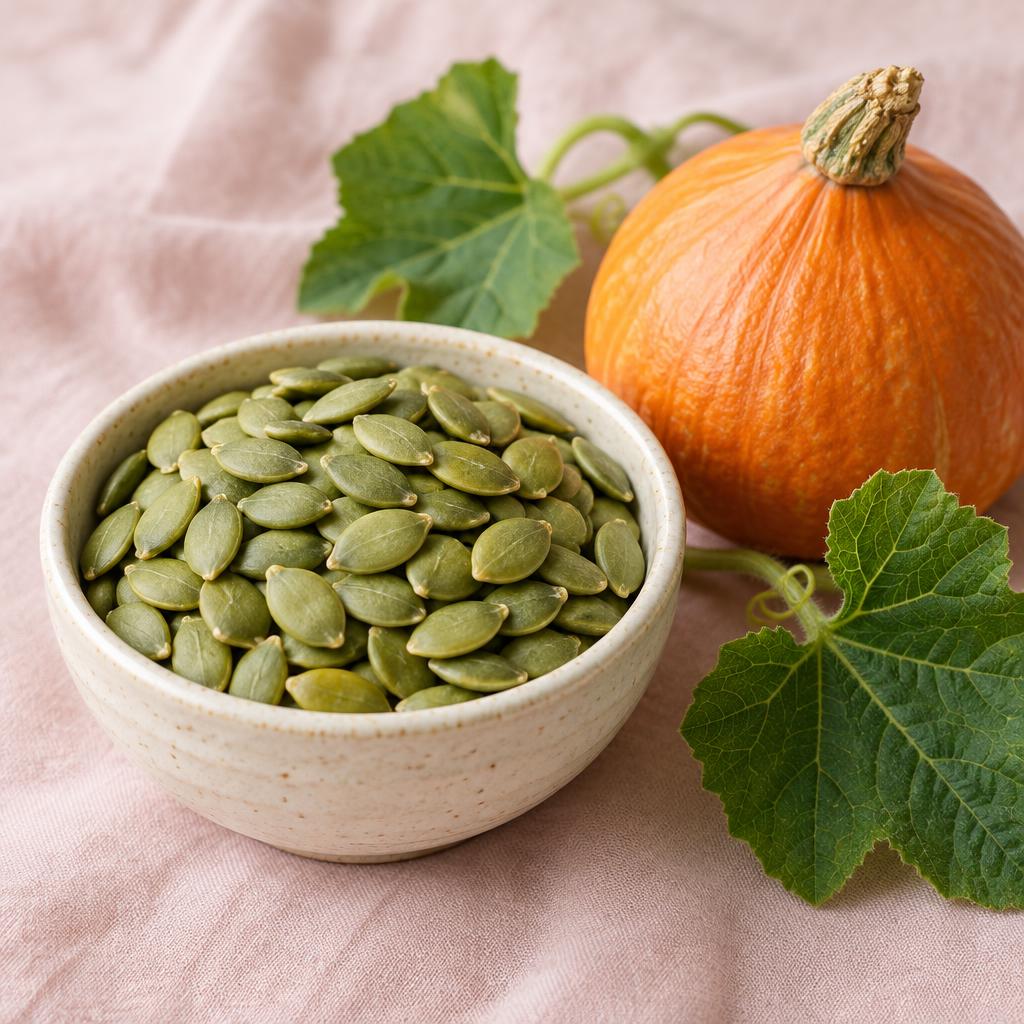
Pumpkin Seed

Pumpkin Seed

Cucurbita pepo

Omega-3, -6, -9ZincMagnesiumVitamin E

Pumpkin seeds bring fatty acids plus zinc and magnesium — minerals a healthy scalp needs to hold onto length. In a 24-week study, people taking pumpkin seed oil saw more hair growth than those on a placebo, and the antioxidants help shield the scalp from dryness.

Quick DIY

Massage 1 tbsp cold-pressed pumpkin seed oil into the scalp for 5 min, leave it in overnight, and shampoo out in the morning — once a week.

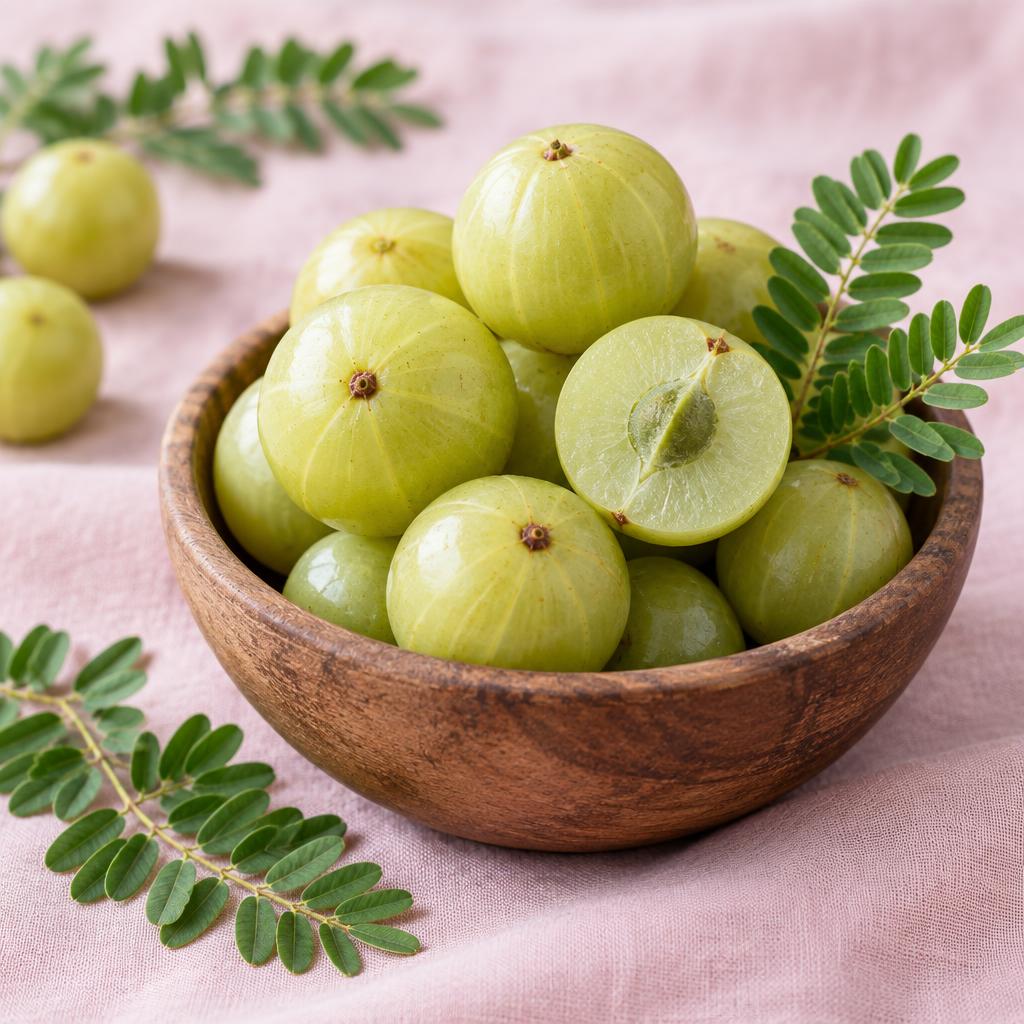
Amla

Amla

Phyllanthus emblica

Vitamin CEllagitanninsGallic acidTannins

Amla is one of the richest natural sources of vitamin C, and its ellagitannins help defend the scalp from everyday oxidative stress. Ayurvedic hair care uses it to condition, add shine and leave strands feeling stronger. Amla is in my oil for exactly that reason.

Quick DIY

Steep 1 tbsp amla powder in hot water for 15 min, stir into a spoon of your conditioner, sit 20–30 min, then rinse — keep it to twice a month so the tannins don't dry you out.

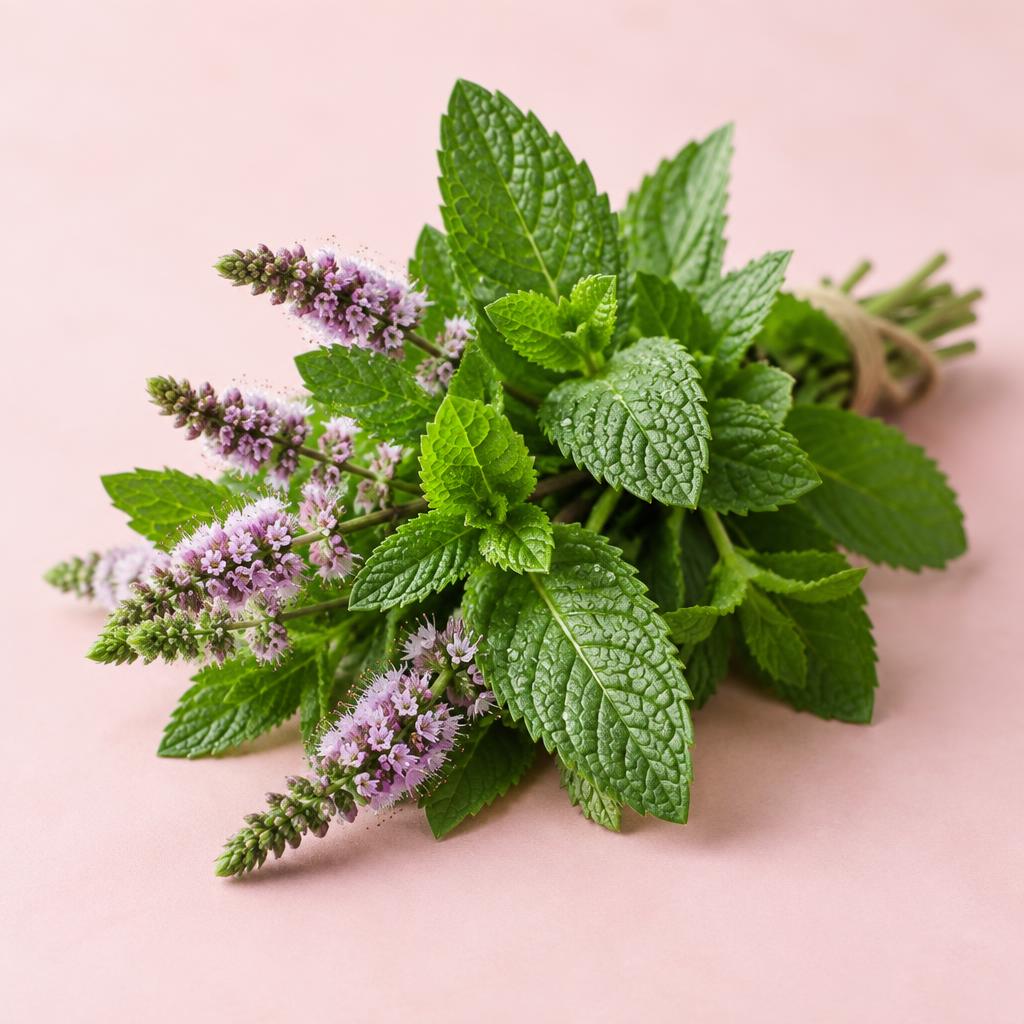
Peppermint

Peppermint

Mentha piperita

MentholMenthoneRosmarinic acidTannins

Menthol is what gives peppermint that cool tingle — and that's not just a feeling: in one study, peppermint oil grew as much hair in eight weeks as minoxidil did over sixteen. Its rosmarinic acid helps calm an itchy, inflamed scalp, which is exactly why peppermint is the oil you feel first in my blend.

Quick DIY

Stir 3–5 drops of peppermint essential oil into 1 tbsp of a carrier oil like jojoba or almond, massage into the scalp for 3–5 min, then leave in or rinse after 30 min. Never apply undiluted.

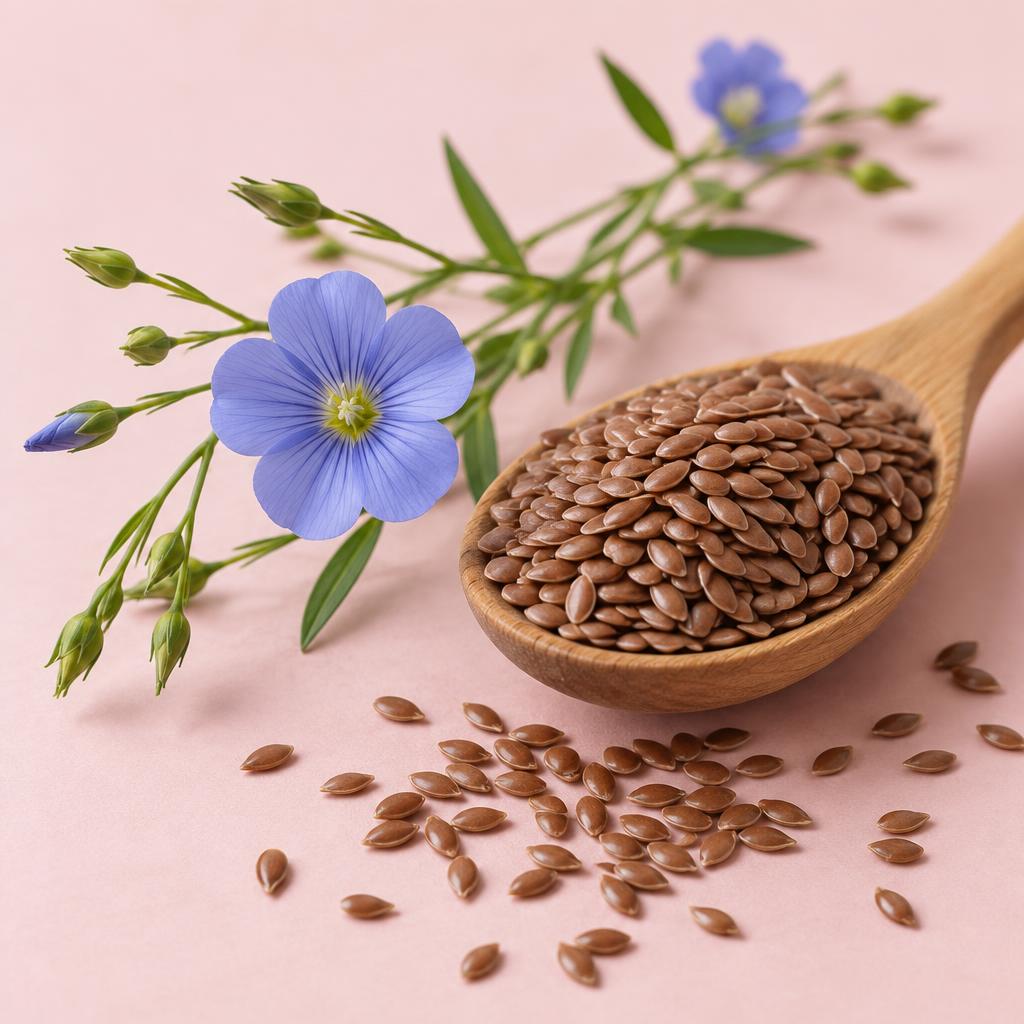
Flaxseed

Flaxseed

Linum usitatissimum

Omega-3 (ALA)MucilageLignansProtein

Flaxseeds are one of the richest plant sources of omega-3 ALA, the fatty acid that helps keep the scalp supple and less flaky. Boiled, they release a slick mucilage that coats the strand for definition and slip — the base of the classic flaxseed gel — while lignans act as antioxidants on the scalp.

Quick DIY

Simmer 2 tbsp flaxseeds in 2 cups water for about 10 min until it thickens like egg white, strain while warm, cool, then style with it as a leave-in gel. Keeps about a week in the fridge.